house plants with medicinal benefits
Look and feel: The obvious benefit of having plants indoors is how much it adds a great look and feel to a home. Some can be a focal point to visitors, especially if its a large palm type. Air quality: A major benefit is how much a house plant can improve air quality. Some improve the quality more than others and a study was produced by NASA to discover plants that remove pollutants.Sep 21, 2021 · In 2016, after moving to Louisiana, she and her business partner Alexis Badon began Magnolia Moon with an ambition to offer local medicinal syrups and teas, using native plants like elderberry. Native plants possess remarkable benefits to the people living among them, explained Earley.Sep 14, 2020 · Benefits of House Plants. Aesthetics aside, there are many worthy benefits of house plants. Here are a few that will encourage you to flex your green thumb indoors. Greater Oxygenation. Plants help improve air quality in a number of ways. One of the big ones is through photosynthesis, which removes carbon dioxide from the air and converts it to ...To read the science behind essential oils like the Oil of the Good Samaritan, also known as “Thieves” oil, read the free flipbook: Oil of the Good Samaritan by Lea Mallett (wife of Mark Mallett). Read Lea’s blog on which essential oils are the equivalents of these medicinal plants specified by Our Lady: About: Medicinal Plants. IMPORTANT: Not all essential oils are the …Apr 30, 2020 · India is a land of diverse knowledge and experienced experiments when it comes to valuable Ayurvedic knowledge. Since ages, there has been a pure and true essence of the usage of natural elements of nature in day to day lives. Plants have some medicinal value which when used in the right way, tends to benefit more than pharmaceutical medicines and treatments.Cultivating plants is beneficial to humankind because of the many medicinal properties of trees and foliage plants. One of the more obvious benefits of plants and trees is that many of them have valuable medicinal properties. Cultivating plants helps humanity because it provides opportunities for additional scientific studies of the possible ...medicinal plants. Medicinal plants naturally synthesize and accumulate some secondary metabolites, like alkaloids, sterols, terpenes, flavonoids, saponins, glycosides, cyanogeniCS, tannins, resins. lactones, quinines, volatile Oils etc. The medicinal plants have been used for treatment Of illnesses and diseases, since the dawn of time.Mar 17, 2021 · 20 Best Purple House Plants to Grow at Home. Here you’ll find 20 of our favorite purple house plants that will thrive in a range of living environments. We’ve included a brief care guide for each so you can find the perfect pick for your own unique living environment. 1. Prayer Plant (Maranta leuconeura)Mar 02, 2021 · Similarly, there are many medicinal plants indigenous to India and used in the Indian Systems of Medicine which have been reported as potent antiviral with immunomodulatory and anti-allergic/anti asthmatic activities. Many of these medicinal plants are also an integral part of several traditional formulations that have been in use for a long time.May 05, 2020 · Medicinal Benefits. The benefits of Blue Lotus stem mainly from the sedative properties of the plant. It is used as a sleep aid and as an anxiety reliever 10.Blue Lotus contains nuciferine along with aporphine 14, that activate serotonin and dopamine receptors 15 17.. Blue Lotus could have antioxidant properties 18.Some people use it as an aphrodisiac and to help …
house plants with medicinal benefits and a number of high-pesticides crops – these include glyphosate as well as Bt, which is a synthetic weed killer. It is thought to be safe to feed to dogs and pigs, in effect "feeding up" glyphosate-resistant wildflowers.
The study concludes that "we need to take bold action now to ensure all food producers are prepared to be as rigorous their safety processes, and to improve our ability to meet the need for organic foods and sustainable management practices". However, farmers and feed companies are already facing legal and regulatory challenges over their handling of glyphosate in its form.
The report, published in the Society of Organ Feeding Science last year, concluded that "if these serious questions are not clarified and clarified, we may face a large number of people's deaths in this way."
The report notes that "the world's largest agrochemical and agricultural company, GE General, and a group of smaller manufacturers have been involved in the practice of deliberately using glyphosate in foodstuffs. This practice has caused substantial health problems for the most vulnerable populations like pregnant women, children and pregnant women whose health suffers from adverse health effects from glyphosate exposure." The risks for children are also "unclear and many parents still have no way of knowing the consequences when they take their children to the nearest pet store or supermarket".
The report also points to the risk to the environment of taking glyphosate-resistant wildflowers: "In 2012


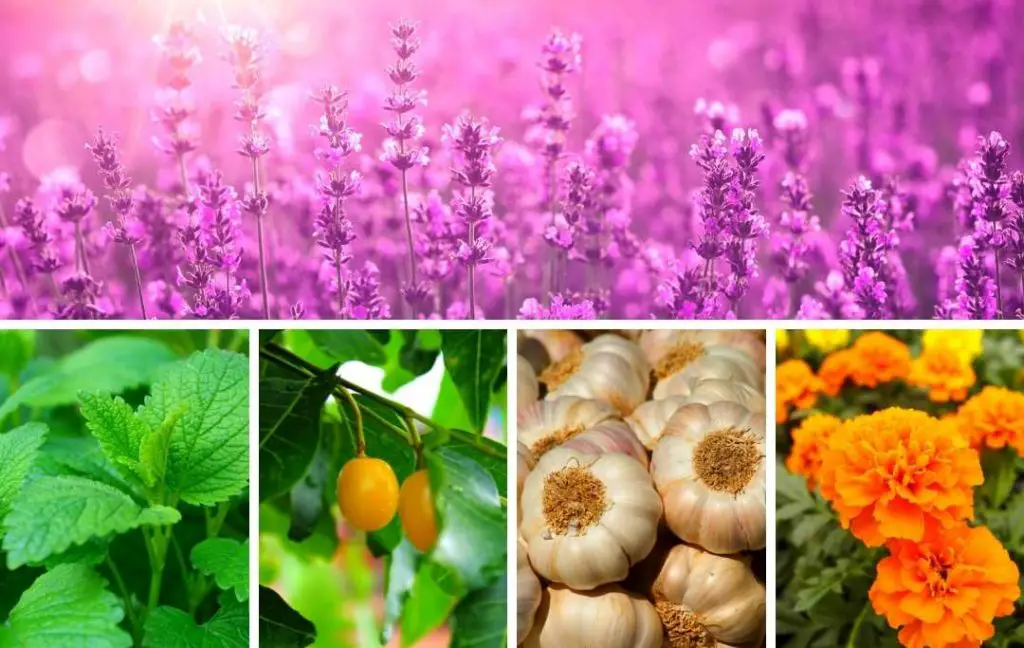
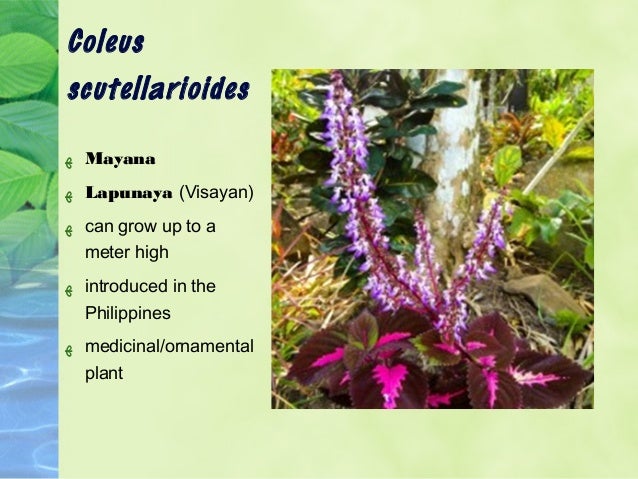



Edible and Medicinal PlantsUses of Medicinal PlantsNatural Medicinal PlantsMedicinal Plants to Grow IndoorsTypes of Medicinal PlantsMedicinal Plants with NameMedicinal Plants and Herbs BookMedicinal Plants in IndiaMedicinal Flowering PlantsPlants with Medicinal PropertiesSouth African Medicinal PlantsMedicinal Plants Examples


Comments
Post a Comment